
How Do I Fix Low Water Pressure in My Home?
Low water pressure can be a frustrating issue for homeowners, often leading to inadequate water flow in showers, sinks, and appliances. Understanding the underlying causes of low water pressure is essential for effective troubleshooting and resolution. This article will guide you through the common causes of low water pressure, how to test and measure it, the best tools and equipment to fix it, and when to call a professional plumber. By the end, you will have a comprehensive understanding of how to address low water pressure in your home effectively.
What Are the Common Causes of Low Water Pressure in Homes?
Low water pressure in homes can stem from various issues, including pipe blockages, faulty plumbing fixtures, and problems with water pressure regulators or municipal supply issues. Identifying these causes is crucial for implementing effective solutions. Common causes include:
- Pipe Blockages: Accumulation of debris, mineral deposits, or corrosion can obstruct water flow, leading to reduced pressure.
- Faulty Water Pressure Regulators: These devices control the water pressure entering your home. If they malfunction, they can cause significant pressure drops.
- Leaky Pipes: Undetected leaks can divert water away from fixtures, resulting in lower pressure at the tap.
- Municipal Water Supply Issues: Sometimes low pressure is due to problems with the public water supply or during peak usage times.
Understanding these factors can help homeowners diagnose and address low water pressure issues more effectively.
How Do Pipe Blockages and Plumbing Issues Affect Water Flow?
Pipe blockages can significantly impede water flow, leading to low pressure in various fixtures. Common types of blockages include mineral buildup from hard water, debris accumulation, and even tree roots infiltrating underground pipes. These blockages restrict the flow of water, causing noticeable drops in pressure. Homeowners may notice weak streams in faucets or showers, indicating that a blockage may be present. Regular maintenance and inspections can help identify and clear these blockages before they lead to more severe plumbing issues.
What Role Do Water Pressure Regulators and Valves Play in Pressure Problems?
Water pressure regulators and valves are critical components in managing the water pressure within a home. Regulators ensure that the pressure remains within a safe range, preventing damage to plumbing fixtures and appliances. If a regulator is faulty or improperly adjusted, it can lead to either excessively high or low water pressure. Homeowners should regularly check these devices for proper function and make adjustments as necessary. Understanding how these components work can help in diagnosing pressure-related issues effectively.
How Can I Test and Measure Water Pressure at Home?
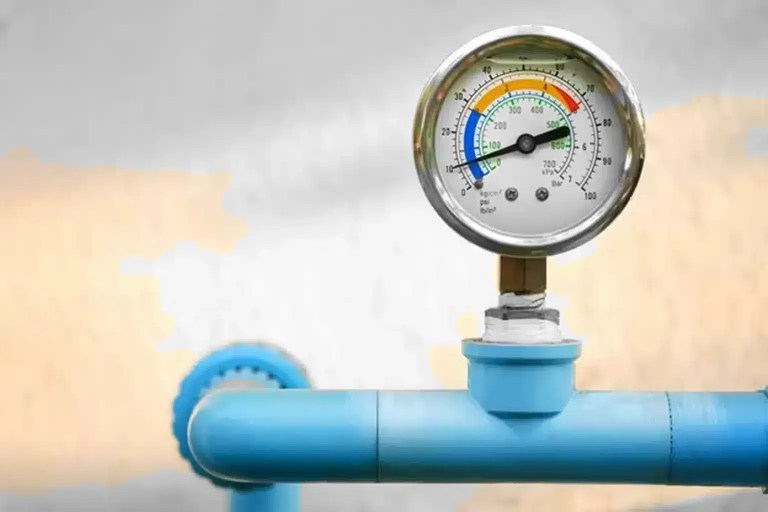
Testing and measuring water pressure at home is a straightforward process that can help identify issues. Homeowners can use a “pressure gauge”, which is a simple tool that attaches to a faucet or hose bib. This gauge provides a reading of the water pressure in pounds per square inch (PSI), allowing homeowners to determine if their pressure is within the normal recommended range of 40-60 PSI. Some sources suggest that water pressure up to 80 PSI may be acceptable in some homes, but staying within 40-60 PSI helps avoid plumbing damage.
Which Tools Are Used to Measure Water Pressure Accurately?
To measure water pressure accurately, homeowners typically use a “pressure gauge”. These gauges are available at hardware stores and can be easily attached to any standard faucet or hose bib. When using a pressure gauge, ensure that all faucets are turned off to get an accurate reading. This tool is essential for diagnosing low water pressure issues and can help determine if further action is needed.
How Do I Interpret Water Pressure Readings to Diagnose Issues?
Interpreting water pressure readings is crucial for diagnosing issues. A reading below 40 PSI typically indicates low water pressure, while readings above 60-80 PSI may suggest excessive pressure that could damage plumbing. If the pressure is consistently low, it may point to issues such as blockages or leaks in the plumbing system. Homeowners should take note of these readings and consider consulting a professional if they fall outside the normal range.
What Are the Best Tools and Equipment to Fix Low Water Pressure?
When addressing low water pressure, having the right tools and equipment can make a significant difference. Essential tools include pipe wrenches, pressure gauges, and booster pumps. Each of these tools plays a vital role in diagnosing and fixing low water pressure issues effectively.
| Tool | Purpose | Effectiveness |
|---|---|---|
| Pipe Wrench | Tightening or loosening plumbing fixtures | High |
| Pressure Gauge | Measuring water pressure | High |
| Booster Pump | Increasing water pressure in the system | High |
These tools can help homeowners tackle various plumbing issues that contribute to low water pressure.
How Do Booster Pumps Increase Home Water Pressure?
Booster pumps are designed to increase water pressure in a home’s plumbing system. They work by drawing water from the main supply and pushing it through the pipes at a higher pressure. This is particularly useful in homes with multiple stories or those located far from the main water supply. Installation of a “booster pump” can significantly improve water flow in showers and faucets, providing a more satisfying experience.
Research further emphasizes the critical role of booster pumps in maintaining adequate water pressure, particularly for shower systems in various building configurations.
Booster Pumps for Inadequate Shower Pressure
A sanitary system is a supporting component designed to meet the clean water requirements of a building, primarily for sanitation activities. The average sanitary equipment used typically requires a shower pressure of ±1 Bar. However, the shower pressure can be significantly affected by factors such as the distance from the top tank and the building’s layout, considering only the pressure due to gravity. To address inadequate shower pressure, an auxiliary pump known as a booster pump is necessary.
Design of clean water booster pump for high-rise buildings, LPI Midiani, 2023
When and How Should I Adjust or Repair Water Pressure Regulators?
Adjusting or repairing water pressure regulators should be done when homeowners notice fluctuations in water pressure. Signs that adjustment is needed include inconsistent water flow or pressure readings outside the normal range. To adjust a regulator, locate the adjustment screw, typically found on the top or side of the device. Turning the screw clockwise usually increases pressure, while counterclockwise decreases it. Homeowners should make small adjustments and test the pressure after each change to find the optimal setting.
What Step-by-Step Troubleshooting Methods Can I Use to Fix Weak Water Flow?
Troubleshooting weak water flow involves a systematic approach to identify and resolve the underlying issues. Here are some effective steps to follow:
- Check for Blockages: Inspect faucets and showerheads for mineral buildup and clean them if necessary.
- Test Water Pressure: Use a pressure gauge to measure the water pressure at various points in the home.
- Inspect Plumbing Fixtures: Look for leaks or signs of wear in pipes and fixtures that may contribute to low pressure.
By following these steps, homeowners can often identify the cause of weak water flow and take appropriate action.
How Do I Identify and Clear Pipe Blockages Effectively?
Identifying and clearing pipe blockages can be done through visual inspection and the use of plumbing tools. Homeowners should look for signs of leaks or damp spots in walls and ceilings, which may indicate a blockage or leak. To clear minor blockages, a plumber’s snake or a high-pressure water jet can be effective. For more severe blockages, professional assistance may be required to avoid damaging the plumbing system.
What Maintenance Tips Prevent Recurring Low Water Pressure?
Preventing recurring low water pressure involves regular maintenance and monitoring of the plumbing system. Homeowners should:
- Flush the System: Regularly flush the plumbing system to help remove mineral buildup.
- Inspect Fixtures: Check faucets and showerheads for signs of wear and replace them as needed.
- Monitor Water Pressure: Keep an eye on water pressure readings to catch issues early.
Implementing these maintenance tips can help ensure consistent water pressure throughout the home.
When Should I Call a Professional Plumber for Water Pressure Problems?
While many low water pressure issues can be resolved by homeowners, some situations require professional intervention. Knowing when to call a plumber is essential for effective problem resolution.
What Signs Indicate That DIY Fixes Are Insufficient?
Signs that DIY fixes may be insufficient include persistent low pressure despite attempts to clear blockages, unusual noises in the plumbing system, or visible leaks. If these issues persist, it may be time to consult a professional plumber who can diagnose and repair complex water pressure problems.
How Do Professionals Diagnose and Repair Complex Water Pressure Issues?
Professional plumbers utilize specialized tools and techniques to diagnose and repair complex water pressure issues. They may conduct thorough inspections of the plumbing system, use advanced diagnostic equipment, and implement repairs that require expertise. Hiring a professional can save homeowners time and prevent further damage to the plumbing system.
