
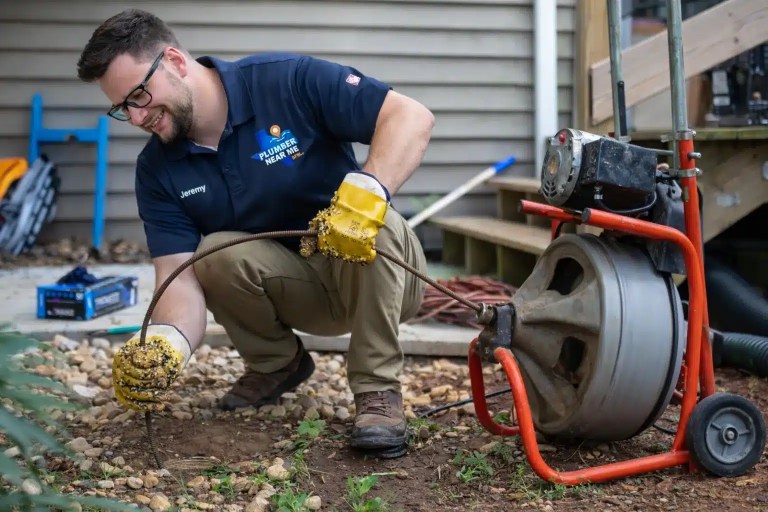
How to detect and fix a sewer drain clog
How to Detect and Fix a Sewer Drain Clog: Comprehensive Guide to Sewer Line Inspection and Drain Clearing
Sewer drain clogs can lead to significant inconveniences and potential damage to your plumbing system. Understanding how to detect and fix these clogs is essential for maintaining a healthy home environment. This comprehensive guide will walk you through the signs of a sewer drain clog, effective inspection methods, DIY solutions, and when to seek professional help. By the end of this article, you will be equipped with the knowledge to identify issues early and take appropriate action to resolve them. We will cover common symptoms of clogs, inspection techniques, DIY methods, professional cleaning options, preventative maintenance, and safety considerations.
What Are the Common Signs of a Sewer Drain Clog?
Identifying the signs of a sewer drain clog early can prevent more severe plumbing issues. Common symptoms include slow draining sinks and toilets, unpleasant odors emanating from drains, gurgling sounds in your plumbing system, and water backup in fixtures. Recognizing these indicators can help you take timely action to address the problem before it escalates.
How to Identify Slow Draining and Sewer Backup Symptoms
Slow draining is often the first sign of a clog. If water takes longer than usual to drain from sinks, bathtubs, or toilets, it may indicate a blockage in the sewer line. Additionally, if multiple fixtures are draining slowly or if wastewater starts backing up into sinks, tubs, or floor drains, this could suggest a more significant issue within the main sewer line.
What Are the Visual and Odor Indicators of Sewer Blockage?
Visual indicators of a sewer blockage can include water pooling around drains, visible debris in the sink or tub, or sewage backing up into plumbing fixtures. Odor indicators often manifest as foul smells coming from the drains, which can be a sign of stagnant water, decomposing waste, or sewer gas leaks. If you notice these signs, it is crucial to investigate further to prevent potential backups.
How to Perform a Sewer Line Inspection Effectively?
Conducting a sewer line inspection is vital for diagnosing the cause of clogs accurately. This process involves using specialized tools to assess the condition of the sewer line and identify any blockages or damage.
What Tools Are Used for Sewer Camera Inspection?
Sewer camera inspections utilize waterproof, high-resolution cameras attached to flexible cables. These cameras can navigate through the sewer line, providing real-time footage of the interior. This method allows plumbers to identify clogs, cracks, pipe collapses, or tree root intrusions without invasive digging.
How to Interpret Sewer Inspection Results for Accurate Diagnosis
Interpreting the results of a sewer inspection requires understanding the common findings. For instance, if the camera reveals a buildup of grease, debris, or foreign objects, it indicates a clog that can often be cleared with appropriate methods. Conversely, visible cracks, breaks, pipe offsets, or root intrusions may require more extensive repairs or pipe replacement.
What Are the Best DIY Methods to Clear a Clogged Drain?
There are several effective DIY methods to clear a clogged drain before resorting to professional help. These methods can save time and money while providing immediate relief from minor clogs.
- Using a Plumbing Snake: A plumbing snake (or auger) is a flexible tool that can reach deep into pipes to dislodge clogs. Insert the snake into the drain and rotate it to break up the blockage.
- Applying Chemical Cleaners: Chemical drain cleaners can dissolve clogs caused by grease or hair. However, it is essential to follow safety precautions and manufacturer instructions when using these products. Avoid frequent use as chemicals can damage pipes over time.
- Boiling Water: Pouring boiling water down the drain can help dissolve minor clogs, especially those caused by grease buildup. Use caution with PVC pipes as excessively hot water can cause damage.
For those seeking high-quality plumbing tools, consider investing in a reliable plumbing snake or auger for effective manual drain clearing.
How to Use a Plumbing Snake and Auger for Manual Drain Clearing
To use a plumbing snake, insert the end into the drain and turn the handle clockwise. This motion helps the snake navigate through the pipe and break up the clog. If the clog is particularly stubborn, an auger may be necessary, which operates similarly but is designed for tougher blockages.
When and How to Apply Chemical Cleaners Safely
Chemical cleaners should be used as a last resort and with caution. Always read the label for safety instructions and ensure proper ventilation. When applying, pour the recommended amount into the drain and allow it to sit for the specified time before flushing with plenty of water. Avoid mixing different chemical cleaners as this can cause dangerous reactions.
Which Professional Sewer Pipe Cleaning Methods Are Most Effective?
When DIY methods fail, professional sewer cleaning services can provide more thorough solutions. These methods are designed to tackle severe clogs and restore proper drainage.
How Does Hydro Jetting Remove Grease and Debris Buildup?
Hydro jetting is a powerful cleaning method that uses high-pressure water jets to clear clogs and clean the interior of pipes. This technique effectively removes grease, debris, mineral buildup, and even tree roots, restoring optimal flow in the sewer line without causing pipe damage when performed by trained professionals.
When Should You Call a Professional Plumber for Sewer Cleaning?
If you experience recurring clogs, persistent odors, slow drainage despite DIY efforts, or sewage backups, it may be time to call a professional plumber. They can provide a comprehensive inspection and recommend the best course of action, ensuring your plumbing system is functioning correctly.
How to Prevent Future Sewer Drain Clogs with Maintenance?
Preventative maintenance is key to avoiding future sewer drain clogs. Regular inspections and professional cleanings can help keep your plumbing system in good condition.
If sewer clogs seem to return repeatedly, visit our guide on Why Your Drains Keep Clogging in DFW (And How to Fix It Permanently).
What Are Eco-Friendly and Safe Cleaning Practices?
Using eco-friendly cleaning products can help maintain your plumbing without harming the environment. Consider natural alternatives like baking soda and vinegar to clean drains safely and effectively. Avoid frequent use of harsh chemical cleaners to protect pipes and the environment.
How to Schedule Regular Sewer Line Inspections and Cleanings
Scheduling regular sewer line inspections can help identify potential issues before they become significant problems. Aim for annual inspections, especially if you live in an area with older plumbing systems, mature trees, or frequent clogs.
What Are the Safety and Environmental Considerations in Sewer Drain Repair?
When dealing with sewer drain repairs, safety and environmental impact should be top priorities. Understanding how to handle chemicals and waste responsibly is crucial.
How to Handle Chemical Cleaners Responsibly to Protect the Environment
Always follow local regulations when disposing of chemical cleaners. Avoid pouring them down the drain in large quantities, as they can harm the environment and local water supplies. Use only as directed and consider eco-friendly alternatives.
What Are the Latest Industry Standards for Sewer Repair and Maintenance?
Staying informed about the latest industry standards for sewer repair and maintenance helps ensure compliance, safety, and environmental protection. Plumbing professionals should follow guidelines from organizations such as the American Society of Plumbing Engineers (ASPE) and the Plumbing-Heating-Cooling Contractors Association (PHCC), and keep up-to-date with local codes and regulations. Regular training and certification improvements help maintain high service quality and environmental responsibility.
